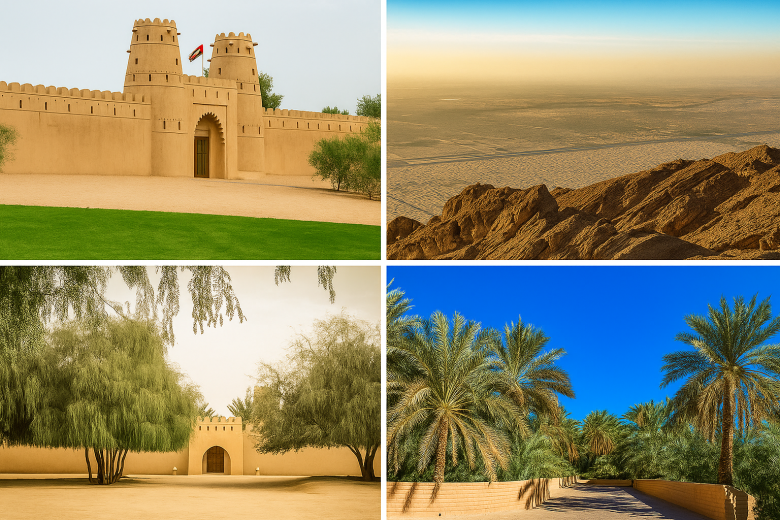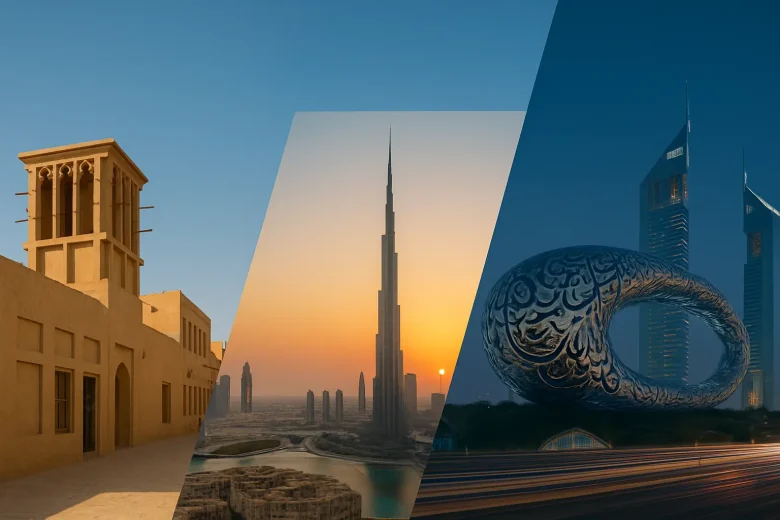

Dubai, known for its towering skyscrapers, luxury shopping, and world-renowned attractions, is also home to a side of the city few tourists are familiar with its ecological wonders. While the desert may seem like an inhospitable environment, Dubai has managed to preserve, conserve, and even thrive within its harsh natural surroundings. The city’s commitment to sustainable tourism, green spaces, and environmental conservation has shaped a hidden world of ecological gems that are as captivating as they are important for the planet’s future.
In this feature, we take you off the beaten path to explore the other side of Dubai its desert sanctuaries, green initiatives, and wildlife conservation projects, all of which are changing the way the world views desert landscapes.
1. Dubai Desert Conservation Reserve: A Sanctuary in the Sands
While Dubai is synonymous with extravagant luxury, its desert is equally magnificent in a more natural and serene way. The Dubai Desert Conservation Reserve (DDCR), one of the most ambitious conservation projects in the UAE, is a perfect example of how nature and urban life can coexist. Spanning over 225 square kilometers, the DDCR is the first protected desert reserve in the UAE and a haven for native flora and fauna.
This sanctuary is home to endangered species such as the Arabian Oryx and the Gaza gazelle, both of which were once on the brink of extinction. Thanks to extensive conservation efforts, these majestic animals have been successfully reintroduced into their natural habitat. Visitors to the reserve can experience eco-friendly safaris, where they can catch a glimpse of these creatures in their natural habitat, while also learning about the fragile desert ecosystem.
In addition to its wildlife, the reserve boasts an array of native desert plants, some of which have medicinal properties. The reserve’s flora plays a vital role in stabilizing the desert’s delicate ecosystem and preventing soil erosion. The DDCR’s sustainability programs, which include eco-conscious tourism and community-based conservation, make it a true ecological wonder.
2. Al Marmoom Desert Conservation Reserve: Where Nature Meets Art
Located just a short drive from the city, the Al Marmoom Desert Conservation Reserve offers a striking blend of wildlife conservation and modern art. A lesser-known gem, Al Marmoom is a vital ecological area that helps protect the desert’s fragile wildlife, including the camel, salukis, and wild foxes.
What makes Al Marmoom unique is its dedication to sustainable tourism and environmental art installations. The desert landscape is complemented by stunning, temporary art exhibits and interactive installations that reflect Dubai’s commitment to blending cultural experiences with environmental responsibility. The reserve’s rich biodiversity is a testament to the resilience of life in the desert, where both flora and fauna thrive in harsh conditions.
Al Marmoom also plays an important role in the preservation of the local Bedouin culture, showcasing how the traditions of desert-dwelling people have been influenced by and adapted to their environment. Visitors can learn about traditional desert farming, water conservation techniques, and the importance of community in desert survival. It’s a perfect spot for those looking to experience Dubai’s desert culture and conservation efforts in a more intimate, sustainable setting.
3. The Mangroves of Dubai Creek: A Green Oasis
While the desert may define Dubai’s landscape, the city’s coastal areas offer another surprising ecological haven. The mangroves of Dubai Creek are one of the UAE’s most important ecosystems, providing shelter for hundreds of species of birds, fish, and marine life. These saltwater forests are not just visually stunning but also play a key role in protecting coastal areas from erosion and acting as natural carbon sinks.
The Dubai Creek Mangroves have been designated as a protected area, and eco-tours are available for visitors to experience this tranquil, green oasis. Kayaking through the mangrove channels, visitors can see the vibrant wildlife that thrives here, from flamingos to herons to small fish that swim among the roots of the mangrove trees. These eco-tours are led by guides who educate visitors on the crucial role mangroves play in biodiversity conservation and carbon sequestration.
Aside from their environmental importance, the mangroves serve as a key part of Dubai’s green infrastructure. They filter water, improve air quality, and provide a habitat for many species that are critical to the region’s ecological balance. They also provide a valuable example of how urban planning can incorporate nature into city life.
4. The Green Spaces of Dubai: Parks, Gardens, and Urban Biodiversity
It’s not just the deserts and coastal wetlands of Dubai that are making a name for the city in environmental circles. The city has taken immense strides in creating green spaces within its urban jungle. Parks, botanical gardens, and urban farms have become integral parts of Dubai’s evolving commitment to sustainable living.
One of the largest green spaces in Dubai is the Dubai Creek Park, which offers a rare sanctuary of lush greenery, where visitors can enjoy a variety of outdoor activities such as cycling, picnicking, and even botanical tours. The park is also home to the Dubai Dolphinarium, which promotes environmental education by teaching visitors about marine life and conservation efforts in the UAE.
Another great example is the Dubai Miracle Garden, a world-renowned floral attraction. With over 150 million flowers on display, it is the largest natural flower garden in the world and showcases Dubai’s ability to create beauty through sustainable gardening practices. The garden focuses on water conservation, using innovative irrigation techniques to ensure the flowers thrive while minimizing water usage.
In addition to these parks, Dubai has launched several urban farming initiatives that encourage local food production and reduce the city’s carbon footprint. These urban farms not only provide fresh, locally-grown produce to the city’s residents but also serve as a model for sustainable farming practices that could be replicated across the globe.
5. Dubai’s Commitment to Sustainability: Leading the Charge in Eco-Tourism
Dubai’s efforts to become a sustainable tourism hub are not just confined to its desert reserves or green spaces. The city is actively investing in eco-friendly hotels, sustainable transportation options, and green building initiatives. Many of Dubai’s top hotels and resorts have adopted sustainable practices such as solar energy, water recycling, and eco-friendly construction materials.
The city is also becoming a global leader in eco-tourism, with events like the Dubai Green Festival showcasing the best of sustainable living. These initiatives help promote a greener, cleaner Dubai for both residents and tourists.
Dubai’s ambitious Dubai Clean Energy Strategy 2050 aims to provide 75% of its energy from clean sources by 2050, making it one of the most environmentally forward-thinking cities in the world.
6. Golden Adventure Tourism: Experience the Desert Like Never Before
For those who are not only looking to explore Dubai’s ecological wonders but also dive into adventure, Golden Adventure Tourism offers the perfect blend of adrenaline-fueled activities with an eco-conscious twist. This type of tourism focuses on sustainable desert experiences, such as luxury camping, sand dune adventures, and camel treks through Dubai’s untouched dunes.
Through Golden Adventure Tourism, you can enjoy the thrill of dune bashing in eco-friendly vehicles, go on private camel safaris that support local Bedouin communities, or even experience the tranquility of the desert with night stays in luxury desert resorts. These tours are designed to minimize environmental impact, ensuring that the beauty of the desert remains intact for future generations while offering unforgettable experiences to travelers.
Whether you’re a thrill-seeker or someone who wants to reconnect with nature in a sustainable way, Dubai’s Golden Adventure Tourism provides a rare opportunity to enjoy the desert while supporting conservation efforts that protect this precious ecosystem.
Conclusion: Dubai’s Eco-Future
Dubai may be known for its opulence and cutting-edge innovation, but it’s also rapidly becoming a global leader in ecological conservation. From its vast desert reserves to its thriving coastal ecosystems and green urban spaces, Dubai offers a wealth of ecological experiences that not only attract tourists but also serve as vital preservation efforts in an increasingly urbanized world.
Dubai is a city that proves the desert can bloom — and it’s only getting started. The city’s commitment to sustainability and eco-tourism offers a beacon of hope for other cities across the globe, demonstrating that the modern world can live in harmony with nature. Whether you’re an adventure seeker, a nature lover, or simply someone looking to experience Dubai beyond its skyscrapers, the city’s ecological wonders are waiting to be discovered.